
A Faith Born for This Moment in History
Not a new religion, but the next chapter in humanity's spiritual journey.
What is the Bahá'í Faith?
The Bahá'í Faith was founded in the mid-19th century by Bahá'u'lláh — a Persian nobleman who proclaimed a message of radical unity: that all of humanity is one family, and that the time has come to build a global civilization worthy of that truth.
Bahá'ís do not see their faith as separate from or in opposition to other religions. Rather, they believe that God has guided humanity through a succession of divine teachers — Abraham, Krishna, Moses, Zoroaster, Buddha, Jesus, Muhammad — and that Bahá'u'lláh is the most recent in that long line of educators.
The Bahá'í Faith has no clergy, no ritual hierarchy. Communities are guided by elected institutions, and every soul is encouraged to seek truth independently. With over 5 million followers across 200+ countries, it is one of the most geographically widespread faiths on earth.
Explore the Global Bahá'í Website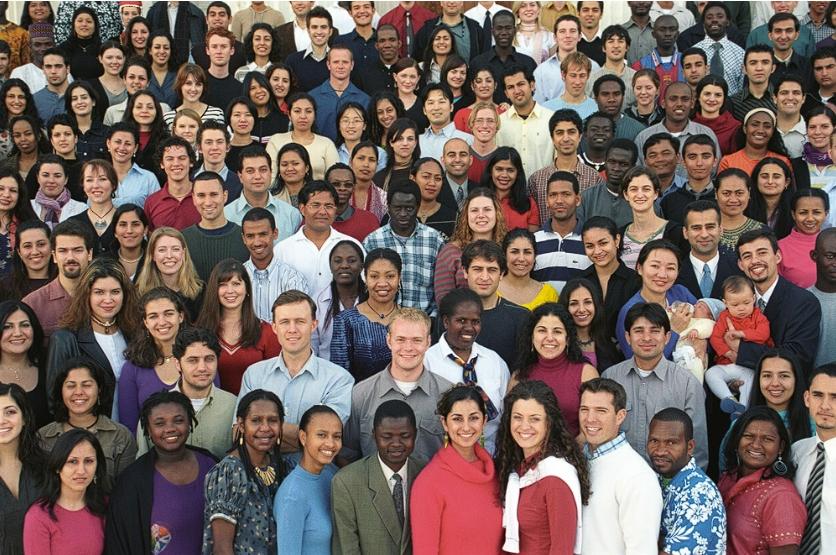
Progressive Revelation
Bahá'ís believe God has never left humanity without guidance. Throughout history, divine educators — called Manifestations of God — have appeared to uplift and advance civilization.
Click any figure to learn more
↑ Select a figure above to learn more
Core Principles
These aren't just ideals — they are the building blocks of a new civilization.
Oneness of Mankind
All human beings are members of one family. The recognition of our shared humanity is the foundation upon which a peaceful world civilization must be built.
Equality of Women & Men
The full equality of women and men is a prerequisite for the peace and progress of humanity.
Harmony of Science & Religion
Science and religion are complementary systems of knowledge — one illuminates the material world, the other the spiritual.
Elimination of Prejudice
All forms of prejudice — racial, religious, national, class-based — must be overcome for humanity to thrive.
Universal Education
Every person has the right to an education. The development of human capacity is central to civilizational progress.
Independent Investigation of Truth
Each individual must seek truth for themselves — not blindly following tradition or the opinions of others.
Economic Justice
Extremes of wealth and poverty are incompatible with justice. A just society ensures everyone's basic needs are met.
Universal Peace & World Order
Lasting peace requires more than goodwill — it requires just and effective global institutions that can peacefully resolve conflict between nations.
Common Foundation of All Religions
All the world's great religions share a common spiritual foundation. Their differences in practice and doctrine are the result of time and culture, not conflicting truth.
A Universal Auxiliary Language
The adoption of a universal auxiliary language — chosen by world leaders — would eliminate misunderstanding between nations and foster global unity.
See how these principles come alive in community →
Learn More